
Leading Tools And Materials For Concrete Installations
Identify the top-performing products that help you complete concrete projects with precision and ease.
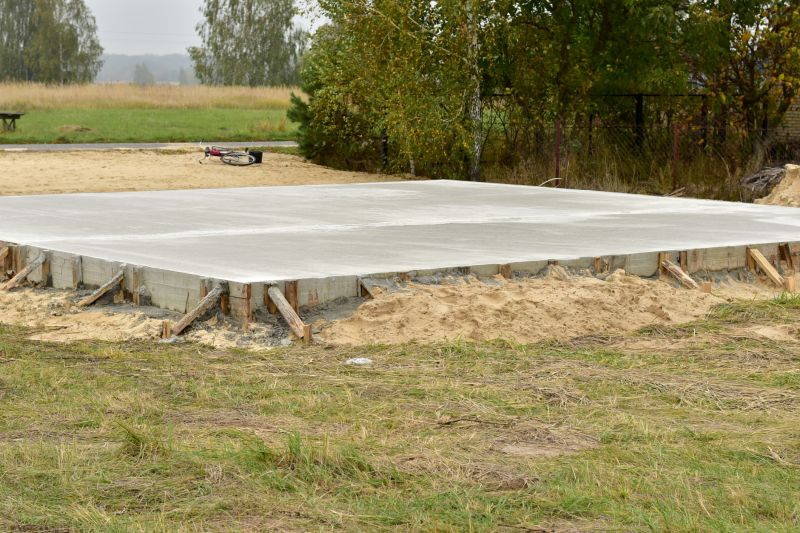 Concrete installations are fundamental components in many construction and renovation projects, ranging from residential driveways to commercial flooring. Selecting the right products for concrete applications ensures durability, safety, and a professional finish. Whether you are sealing, reinforcing, or finishing concrete surfaces, understanding the variety of available products can help you make informed decisions. Proper preparation and the right materials can significantly influence the longevity and appearance of your concrete work.
Top Overall Option
Concrete Sealant
A high-quality concrete sealant provides a protective barrier against moisture, stains, and surface wear, helping to extend the lifespan of concrete surfaces. It is suitable for both indoor and outdoor applications and can enhance the appearance of the concrete by giving it a clean, finished look. Proper application of a reliable sealant can prevent common issues such as cracking and spalling, making it a versatile choice for various concrete projects.
Types of Products For Concrete Installations
Concrete Sealers
Protects and enhances concrete surfaces by providing a barrier against moisture and stains.
Bonding Agents
Improves adhesion between old and new concrete layers or other materials.
Form Release Agents
Facilitates the removal of forms from freshly poured concrete without damaging the surface.
Rebar and Reinforcements
Provides structural strength and stability to concrete structures.
Expansion Joints
Allows for movement in concrete slabs to prevent cracking due to temperature changes.
Concrete Mixes
Various mixes tailored for specific strength, setting time, and finish requirements.
Curing Compounds
Helps retain moisture in freshly poured concrete to ensure proper curing.
Surface Finishing Tools
Tools such as trowels and floats used for smoothing and finishing concrete surfaces.
Concrete Edging and Reshaping Tools
Assist in creating clean edges and shaping concrete during installation.
Waterproofing Membranes
Provides additional moisture protection for below-grade or exposed concrete surfaces.
Surface Dyes and Colorants
Add color or decorative effects to concrete surfaces for aesthetic enhancement.
Vapor Barriers
Prevents moisture transmission from ground to concrete slabs.
Concrete Repair Patches
Used for filling cracks and repairing damaged concrete surfaces.
Surface Cleaners
Specialized cleaners for removing stains, dirt, and efflorescence from concrete surfaces.
Joint Fillers and Sealants
Seal and fill expansion and control joints to prevent debris ingress and cracking.
Concrete Vibrators
Assist in removing air bubbles and ensuring proper compaction during pouring.
Popular Choices
Widely used for protecting concrete surfaces from stains and moisture.
Commonly incorporated to enhance structural strength in slabs and foundations.
Popular for managing movement in large concrete areas to prevent cracking.
Essential for achieving smooth, textured, or decorative finishes.
Various mixes tailored to specific project needs are frequently chosen for their versatility.
Commonly used to ensure proper curing and surface quality.
Popular for protecting below-grade concrete structures from moisture intrusion.
Increasingly used for decorative concrete projects.
Frequently selected for sealing expansion and control joints.
Popular for maintaining the appearance and longevity of concrete surfaces.
Commonly used for quick repairs of cracks and surface damage.
Often incorporated in slab installations to control moisture migration.
In Canton, OH, where construction and renovation projects are common, having access to quality products for concrete installations is essential. From concrete sealers that protect surfaces from moisture and wear to bonding agents that improve adhesion between layers, the right tools and materials can facilitate smoother project execution. Additionally, products like expansion joints, rebar, and form release agents play vital roles in ensuring structural integrity and ease of installation.
Investing in high-quality products tailored to specific needs can help achieve professional results, whether for a small residential project or a large commercial endeavor. Proper selection and application of these materials can prevent common issues such as cracking, spalling, or surface deterioration. As with any construction material, understanding their properties and intended uses is key to successful concrete installation and maintenance.
For residents and contractors in Canton, OH, having a comprehensive understanding of the available products for concrete installations can streamline project planning and execution. This knowledge enables better budgeting, sourcing, and application, ultimately contributing to the durability and aesthetic appeal of concrete structures. Always consider the specific requirements of your project and consult with local suppliers for recommendations suited to your local climate and conditions.
Key Buying Considerations
- Determine the specific application and environment to select appropriate products.
- Consider the compatibility of products with existing materials and surfaces.
- Evaluate the durability and longevity expectations for your project.
- Check for ease of application and drying or curing times.
- Assess the level of protection needed against moisture, stains, or surface wear.
- Ensure products are suitable for indoor or outdoor use as required.
- Review product coverage to estimate quantities needed accurately.
- Look for products that meet relevant safety and quality standards.
- Consider the project size to determine whether professional-grade or DIY products are suitable.
- Examine the manufacturer's instructions for proper application procedures.
- Factor in local climate conditions that may influence product performance.
- Investigate compatibility with other construction or finishing materials.
- Balance cost with quality to ensure value without compromising performance.
- Read customer reviews and expert recommendations for insights on product effectiveness.
- Plan for proper storage and handling of materials to maintain their efficacy.